
From the team behind aidrop.it — one workspace to build, host, and keep changing your code.
The biggest gains from Claude Code, ChatGPT, or any AI tool don't come from better prompts — they come from a small daily habit: saving one piece of context to memory every time you work. James Clear's Atomic Habits argument applies directly: a 1% improvement per day is invisible in the moment and overwhelming after a year. With AI, the 1% is a saved decision, preference, or correction.
Most people run AI on a treadmill: every session starts from zero, so effort never accumulates. A memory habit turns the treadmill into a flywheel.
Why memory deposits compound
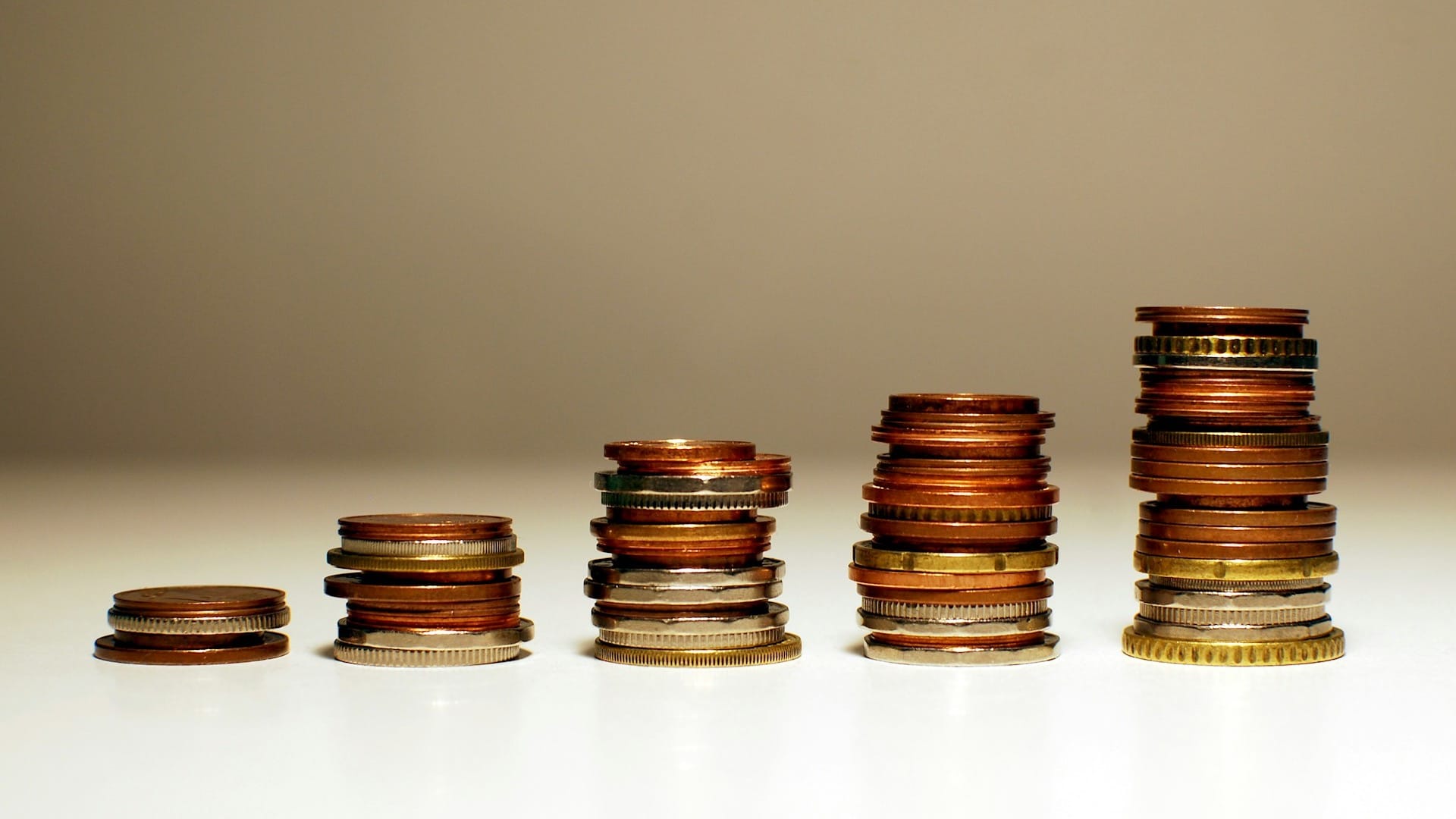
Each saved fact improves every future session, not just the next one. Save "we deploy on Fridays only after the smoke suite passes" once, and hundreds of future sessions inherit it. Ten facts remove the most common mistakes; a hundred change the kind of work you can delegate. Compounding works because context multiplies — facts combine with each other.
The habit: one correction per session
The easiest version: every time the AI gets something wrong, don't just fix the output — save the correction. "Wrong tone for this client", "we use uv, not pip", "my rate is fixed". Corrections are the highest-value deposits because they target exactly where the agent's model of you is wrong.
Make it easy, make it automatic
Atomic Habits says shrink the habit until it's too small to fail. Saying "remember this" mid-session costs five seconds. Better, remove the decision entirely: a memory connected over MCP can capture observations as you work and merge them into a versioned store — the habit becomes a default instead of a discipline. You curate occasionally; the deposits happen anyway — the same mechanism that lets your second brain talk to your AI instead of sitting unused in a notes app.
Systems over goals
"Make my AI smarter" is a goal; a memory pipeline is a system. Goals fail because they depend on motivation; systems work because they're wired into the path you already walk. If your memory lives where every tool reads and writes it automatically, you don't need to remember to invest — working is investing.
What a year of deposits looks like
After a year of one-fact-a-day, your memory holds a few hundred curated decisions — more context than you could re-explain in any single session. That's the raw material of an AI twin. New tools inherit it on day one. Model upgrades make it more valuable, not less: better reasoning over the same memory means better output, free. The habit is small; the asset isn't.
FAQ
How is this different from just writing better prompts? A prompt improves one session and evaporates. A memory deposit improves every session that follows. Prompting is spending; memory is saving.
What should I save daily? Corrections first, then decisions with their reasoning, then durable preferences. Skip transcripts and raw logs — memory should read like a curated profile, not an archive.
Won't the memory get bloated over time? Only if it's an append-only log. A merge step — manual review or a background agent — folds new facts into existing pages and keeps the memory dense instead of long.
One workspace to build, host, and keep changing your code
The repository, what the project knows, the rules a change has to follow, and the path to an address — kept together, and reachable by the coding agent your team already uses.